
We’re nearing the end of the school year (phew!). One of the courses that I get to teach most Spring semesters is Introduction to Old Testament Poetry, which covers Psalms, Proverbs, Ecclesiastes, and Song. We just finished the unit which covers Proverbs and Ecclesiastes. These books, which both deal with wisdom, are incredibly different inContinue reading “Solomon, Qoheleth, and Kyle Korver: the Consequences of Our Actions”
Author Archives: Jared W. Saltz
Masoretic Text vs. Septuagint: Minor Theological Changes
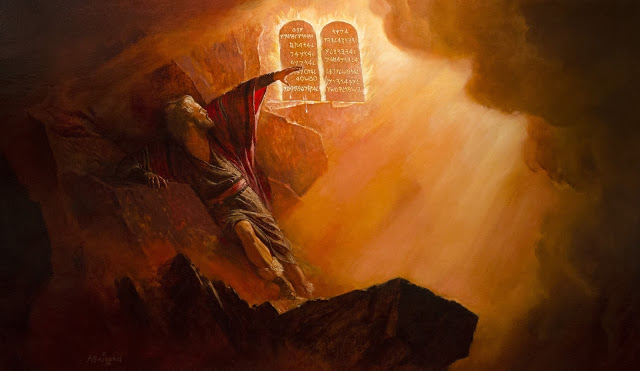
Now that we’ve briefly covered what the Masoretic Text (MT) and Septuagint (LXX) are, we can go back and explain some of the differences that arose from purposeful emendation rather than from scribal accident. Now, don’t get me wrong, scribal errors are cool too, but lots of folks have talked about such things already. WhatContinue reading “Masoretic Text vs. Septuagint: Minor Theological Changes”
What is the MT?
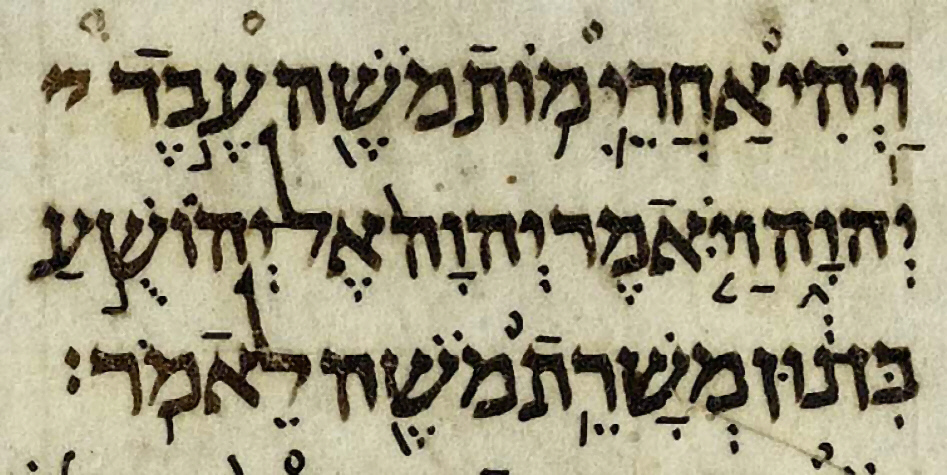
“One thing is clear: it should not be postulated that the Masoretic text better or more frequently reflects the original text of the biblical books than any other text. Furthermore, even were we to surmise that the Masoretic Text reflects the ‘original’ form of Scripture, we would still have to decide which form of theContinue reading “What is the MT?”
“As if by some Plan”: Alexandria, Aristeas, Philo, and the LXX

Resting in the cloistered place, and with no one present, that is except the elements of the region—earth, water, air, heaven—concerning the creation of which they were about to give a sacred account–for the beginning of the law is the account of creation—the others, just as though they were being inspired, other peopleContinue reading ““As if by some Plan”: Alexandria, Aristeas, Philo, and the LXX”
When David met Saul: Contradictions, the OG, and the MT
The text of our Protestant English Bibles include two different “meetings” for King Saul and Future-King David. The first “meeting” comes about when God’s spirit torments Saul so that he needs the soothing power of music. Saul’s courtiers find David, the son of Jesse, a mighty warrior, well spoken, and generally the type of personContinue reading “When David met Saul: Contradictions, the OG, and the MT”
Animals and Babies, Homes and Barns: Why Modern Perceptions Conceal the Point of the Nativity
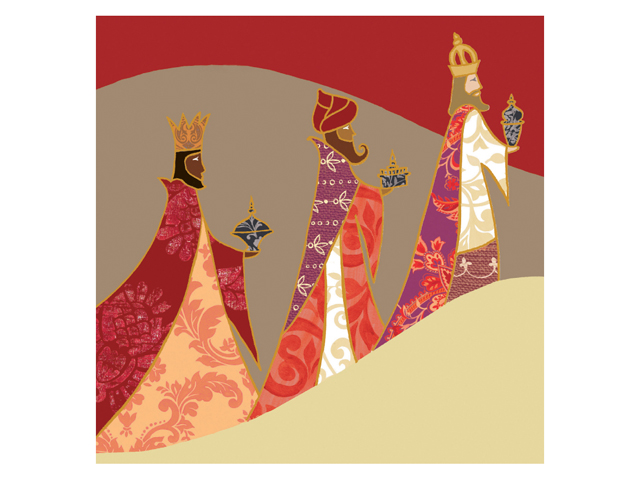
When Luke sets out to tell the story of Jesus’s life in his gospel, he includes a well-known description of his birth. The ESV (which I normally like!), reads: In those days a decree went out from Caesar Augustus that all the world should be registered. This was the first registration when Quirinius wasContinue reading “Animals and Babies, Homes and Barns: Why Modern Perceptions Conceal the Point of the Nativity”
Recovery of Sight to the Blind: Luke, the MT, and the LXX

“The Spirit of the Lord is upon me, because he has anointed me to proclaim good news to the poor. He has sent me to proclaim liberty to the captives and recovering of sight to the blind, to set at liberty those who are oppressed, to proclaim the year of the Lord’s favor” (Luke 4.18–19).Continue reading “Recovery of Sight to the Blind: Luke, the MT, and the LXX”
Justice: Texts, Tensions, Textures

Perhaps the greatest dangers we have when we approach the Bible as a single, unified story brought about by a single, divine mind is that we may read it as a flat, textureless narrative where we suppress and “fix” any differences because we–understandably but mistakenly–think that differences are the same as contradictions. And, since mostContinue reading “Justice: Texts, Tensions, Textures”
Justice: Daughters, Inheritances, and Changing Laws

When we treat a text as two-dimensional we read it as a flat text. One of the greatest dangers in studying the Scriptures, but perhaps especially the Law of Moses, is that we tend to read it like a flat text. (I think we’ll understand better what this means by the end of the blog,Continue reading “Justice: Daughters, Inheritances, and Changing Laws”
Midrashic Reading and the Temptation of Christ in Luke (Angels, Wings, Stones, and Bones)

Bottacelli’s Temptation of Christ One of the most famous stories in the Gospels is Satan’s testing of Christ in the wilderness: Jesus, full of the Holy Spirit, returned from his baptism at the Jordan and was led by the Spirit through the wilderness for forty days, tempted all the while by the devil. He ateContinue reading “Midrashic Reading and the Temptation of Christ in Luke (Angels, Wings, Stones, and Bones)”
 Ben Neviim