
The story of city builders in the Bible is an infamous list, a sort of Who’s Who of folks who traded in God’s promised Garden for creations of their own hands (we talked about that last time). Among such a distinguished list of city-builders, city-lovers, and city-dwellers, we might be surprised at the “sudden” changeContinue reading “Not Built with Hands: Cities as Tabernacles”
Tag Archives: Solomon
Living as Exiles: Cities and Sin
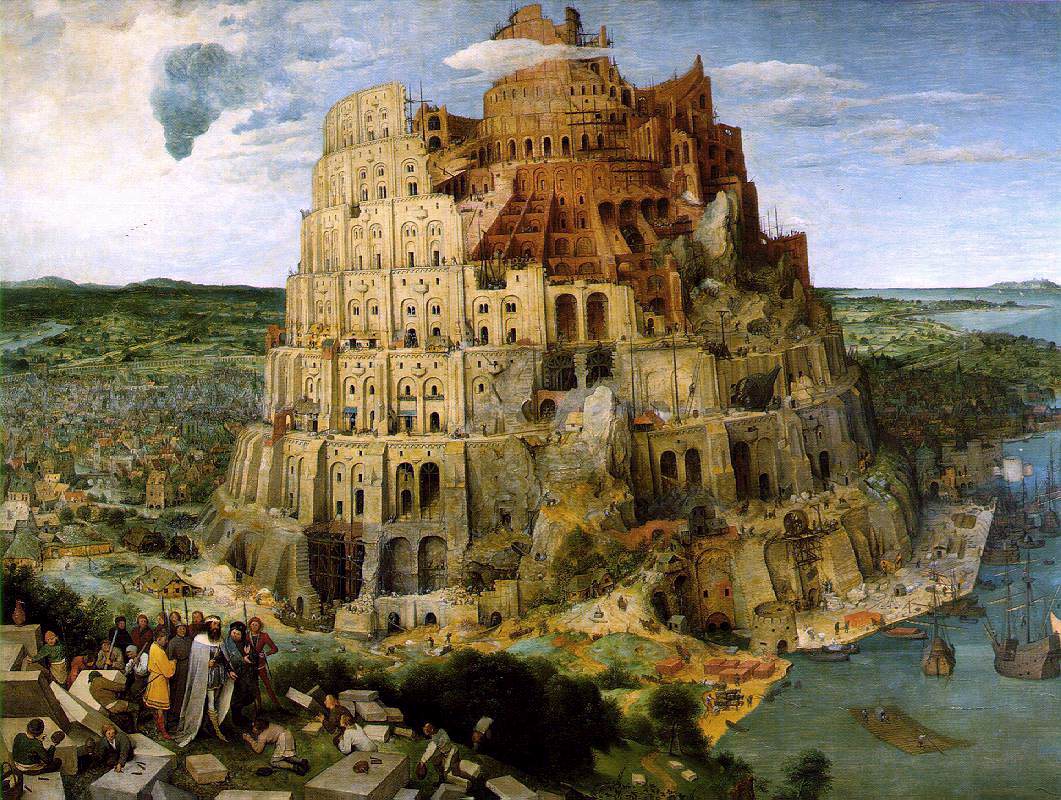
One of the type scenes (or tropes, like the Woman at the Well) folks run into in the Bible is also one of its most prevalent metanarratives: “Cities are bad.” You look at Babel, Sodom and Gomorrah, or Gibeah and quickly realize “No, cities are really bad.”1 But sometimes we don’t think further about whyContinue reading “Living as Exiles: Cities and Sin”
Theology of Exodus in Kings: Solomon’s Pharaonic Shadow
Ron Hendel notes, “The exodus from Egypt is a focal point of ancient Israelite religion. Virtually every kind of religious literature in the Hebrew Bible—prose narrative, liturgical poetry, didactic prose, and prophecy—celebrates the exodus as a foundational event. Israelite ritual, law, and ethics are often grounded in the precedent and memory of the Exodus. …Continue reading “Theology of Exodus in Kings: Solomon’s Pharaonic Shadow”
Plundering Temples and Paying Off Nations: The Treasury in Kings
One of the more interesting questions to ask when studying the book of Kings is what genre we read it as. Often times, we’re subtly influenced even by the categories present in our Bibles. For example, most Protestant Christians categorize their Old Testaments according to the taxonomy of Law (Genesis–Deuteronomy), History (Joshua–Esther), Poetry (Job–Song), andContinue reading “Plundering Temples and Paying Off Nations: The Treasury in Kings”
Beginning at the End: Structure and Solomon
“Check me out. I’ve got blonde hair! That’s how I know this is a dream.” -Solomon Good writing has structure. What we see at the beginning prepares us for what comes at the end. Better writing prepares us at the beginning for what comes at the end without making it obvious. On other words, itContinue reading “Beginning at the End: Structure and Solomon”
Father, Mother, Sons, and Strife: Reading Stories Intertextually
A few posts ago, I talked about how intertextuality—the practice of lining up two or more texts that are close enough to compare in order to emphasize differences or help aid in interpretation—can help us better understand the Bible. Both of these posts used Genesis 19 to show how this text can help us betterContinue reading “Father, Mother, Sons, and Strife: Reading Stories Intertextually”
 Ben Neviim